Venus Factor Ingredients Explained: A Science-Based Breakdown
What ingredients are in Venus Factor? Venus Factor contains four primary plant-derived active ingredients: Genistein (a soy/legume isoflavone), Arctic Lingonberry (Vaccinium vitis-idaea extract), Himalayan Turmeric (Curcuma longa standardized for curcuminoids), and Camellia Sinensis (green tea extract standardized for EGCG). The formula is 100% plant-based and free of harsh synthetic stimulants.
Unlike weight-loss supplements that hide their components behind unverified "proprietary matrixes," the Venus Factor formula is intentionally focused on four active botanical agents. Below, we examine each ingredient individually, exploring its botanical origin, biological mechanism, what clinical research confirms, and what remains unproven.
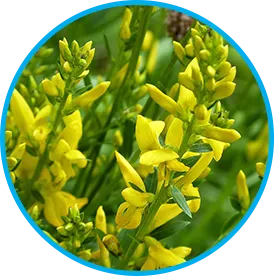
1. Genistein
What It Is & Why It Appears in Venus Factor
Genistein is an aglycone isoflavone naturally occurring in various legumes. In female metabolic physiology, genistein interacts with cellular estrogen receptors (predominantly ER-beta) and functions as a biological modulator of adipose tissue metabolism.
The manufacturer includes Genistein to assist in normalizing leptin secretion from adipocytes (fat storage cells). In women, hormonal fluctuations (such as those occurring during perimenopause or periods of elevated stress) can dysregulate leptin production, leading to persistent appetite signaling and reduced resting caloric expenditure.
What Scientific Research Says
- Adipogenesis Regulation: Studies published in the Journal of Nutritional Biochemistry indicate that genistein can inhibit preadipocyte differentiation and modulate adipogenesis via the PPAR-gamma pathway.
- Insulin Sensitivity: Clinical trials in postmenopausal women demonstrate that daily isoflavone intake can support fasting insulin sensitivity and lipid profiles.
- Leptin Secretion: In-vitro cellular models suggest genistein can promote balanced adipokine expression, helping fat cells release leptin proportionately to real energy status.
What Research Does NOT Establish
Genistein is not a prescription hormone replacement therapy (HRT) and does not single-handedly trigger rapid fat loss in the absence of a caloric deficit.
Safety & Interaction Considerations
Because Genistein exhibits mild estrogenic activity, individuals diagnosed with estrogen-receptor-positive conditions, breast cancer history, or thyroid disorders should seek guidance from their physician before using isoflavone supplements.
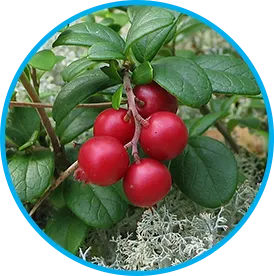
2. Arctic Lingonberry
What It Is & Why It Appears in Venus Factor
Arctic Lingonberry is a small, evergreen shrub native to northern boreal forests and arctic tundra. Renowned for its resilience in extreme cold, the berry produces remarkably concentrated levels of polyphenols, particularly anthocyanins, quercetin, and proanthocyanidins.
In Venus Factor, Arctic Lingonberry is incorporated to address leptin resistance. Even if the body produces sufficient leptin, cellular inflammation and endotoxemia can blunt hypothalamic receptors, preventing the brain from receiving satiety signals. Lingonberry polyphenols help modulate gut barrier integrity and soothe low-grade systemic inflammation.
What Scientific Research Says
- Prevention of Diet-Induced Obesity: A landmark study from Lund University (Sweden) showed that lingonberry supplementation prevented body fat gain and low-grade inflammation in mice fed a high-fat diet.
- Blood Glucose & Glycemic Balance: Research in the Journal of Nutrition and Metabolism revealed that lingonberry extracts help attenuate postprandial blood sugar spikes.
- Microbiome Modulation: Lingonberries promote beneficial species of Akkermansia muciniphila, an intestinal bacterium strongly linked to healthy metabolic rate and gut barrier health.
What Research Does NOT Establish
While animal and cellular data on lingonberry are exceptionally promising, large-scale long-term human randomized controlled trials on isolated lingonberry extracts for primary weight loss remain limited.
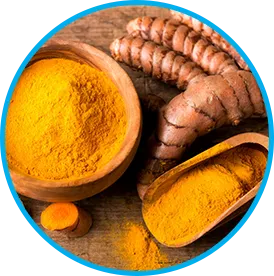
3. Himalayan Turmeric
What It Is & Why It Appears in Venus Factor
Himalayan Turmeric is derived from the rhizome of the Curcuma longa plant harvested from elevated, nutrient-rich soils. It is rich in curcumin, demethoxycurcumin, and bisdemethoxycurcumin—bioactive compounds known for extensive antioxidant properties.
Chronic, low-grade metabolic inflammation (driven by TNF-alpha, IL-6, and NF-kB cytokines) is a primary biological contributor to leptin receptor dysfunction. Turmeric is included in Venus Factor to suppress inflammatory interference, supporting seamless hormonal communication across neural pathways.
What Scientific Research Says
- Downregulation of Inflammatory Biomarkers: Extensive meta-analyses published in Pharmacological Research show curcumin significantly decreases C-reactive protein (CRP) and circulating inflammatory cytokines.
- Metabolic Syndrome Support: Clinical trials in overweight individuals demonstrate that curcumin supplementation aids reductions in waist circumference and supports healthy lipid metabolism.
- Hypothalamic Receptor Protection: Preclinical studies suggest curcumin preserves leptin receptor phosphorylation in neural tissues under oxidative conditions.
What Research Does NOT Establish
Curcumin alone does not dissolve adipose tissue directly. Its benefit is primarily supportive—improving the metabolic and inflammatory environment so lifestyle interventions become more effective.
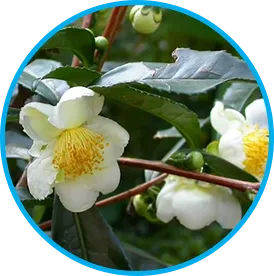
4. Camellia Sinensis
What It Is & Why It Appears in Venus Factor
Camellia sinensis is the botanical species whose unfermented leaves produce green tea. It is an abundant source of polyphenol catechins, particularly Epigallocatechin Gallate (EGCG), one of the most thoroughly investigated natural thermogenic compounds in nutritional science.
Venus Factor includes a standardized, non-jittery extract of Camellia Sinensis to support resting metabolic expenditure and encourage fat oxidation through the inhibition of catechol-O-methyltransferase (COMT), an enzyme that degrades fat-mobilizing neurotransmitters.
What Scientific Research Says
- Thermogenesis & Caloric Expenditure: A systematic review in the American Journal of Clinical Nutrition concluded that green tea catechin-polyphenol complexes significantly increase 24-hour energy expenditure and stimulate lipid oxidation in humans.
- Visceral Adiposity Support: Randomized controlled human trials demonstrate modest yet statistically significant reductions in abdominal visceral fat with daily EGCG intake.
- Antioxidant Protection: EGCG is a potent free radical scavenger, protecting cellular membranes and vascular endothelium.
What Research Does NOT Establish
Green tea extract will not create significant fat loss if daily caloric consumption substantially exceeds metabolic needs.
5. Ingredients Comparison & Synergy Matrix
The table below summarizes how the four botanicals in Venus Factor complement each other across different metabolic support vectors:
| Ingredient | Target Mechanism | Active Compounds | Primary Evidence Level |
|---|---|---|---|
| Genistein | Leptin Secretion & Adipocyte Signaling | Isoflavones | Preclinical & Postmenopausal Clinical Trials |
| Arctic Lingonberry | Leptin Sensitivity & Gut Microbiome | Anthocyanins & Proanthocyanidins | In-Vivo Animal & In-Vitro Human Gut Models |
| Himalayan Turmeric | Inflammatory Cytokine Defense | Curcuminoids | Extensive Human Meta-Analyses & Clinical Studies |
| Camellia Sinensis | Thermogenesis & Lipid Oxidation | EGCG & Polyphenol Catechins | Robust Human Randomized Controlled Trials |
6. What Is Excluded From the Formula?
Just as important as what goes into a daily capsule is what is left out. Venus Factor is formulated without:
- High-Dose Anhydrous Caffeine: Eliminates heart racing, jitters, anxiousness, and sleep disturbances.
- Synthetic Ephedrine / Synephrine Derivatives: Avoids dangerous cardiovascular strain.
- Harsh Chemical Laxatives: Contains no senna, cascara, or artificial diuretics that mimic weight loss through dehydration.
- Artificial Dyes & Fillers: Non-GMO and packaged in clean, easy-to-swallow capsules.
7. Research & Clinical Sources
Every scientific reference and peer-reviewed study mentioned on this page is cataloged with direct DOI and PubMed identifiers on our official bibliography page.